Buying guide
How to Choose the Right Extension Lead for Your Home in the UK
Choose an extension lead by the room, the devices you use together, the distance from the wall socket and the rating shown on the product.
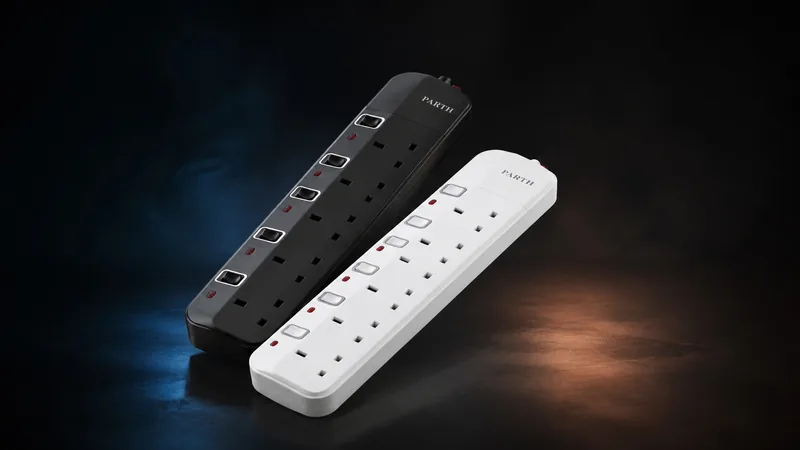
Quick answer
Start with where the lead will be used. Then count the devices that need power, measure the route from the wall socket and choose the shortest cable that reaches comfortably. Before use, check the product rating and keep the total load within it.
1. Start with the room
List what will be plugged in at the same time — a bedside lamp and charger need far fewer sockets than a TV corner or a full desk setup. The cards below match the three common cases.
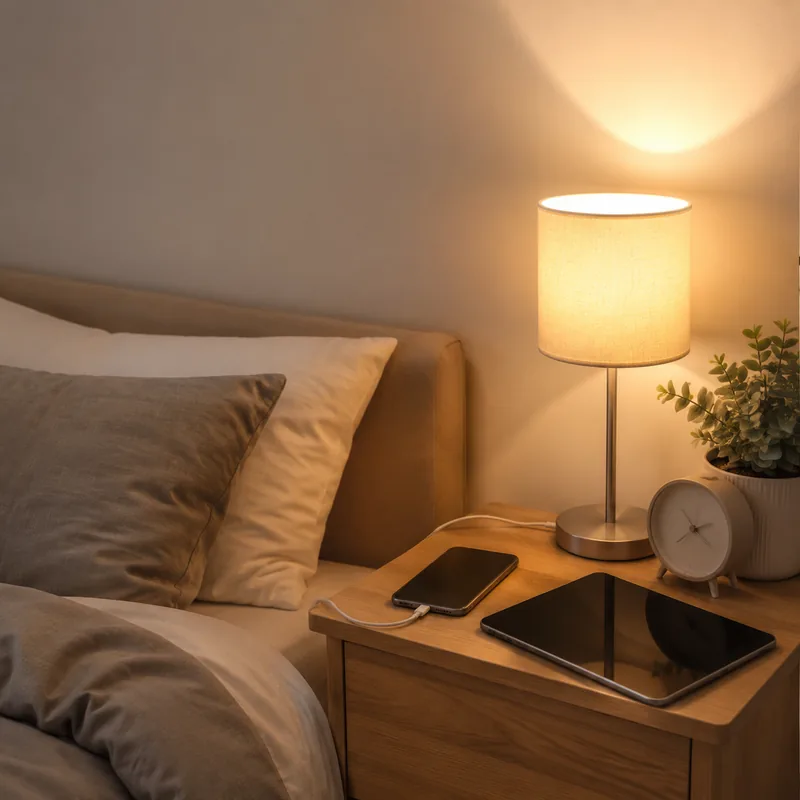
Bedroom or small desk
Two sockets can be enough when only a couple of everyday devices need power. PARTH 3022 is available in white with 3M and 5M cable options.

Home office or TV corner
Five sockets can suit a desk or TV area where several lower-power devices are used together. PARTH 3025 is available in 2M black and 3M white options.
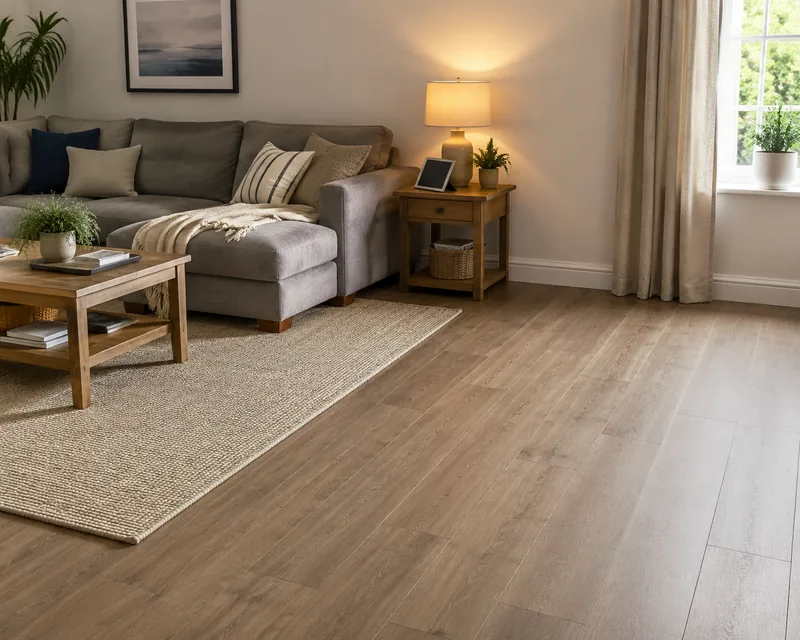
More devices in one area
Six sockets can help when more devices share one room or desk area. PARTH 3026 is available in white with 3M and 10M cable options.
2. Choose the cable length after measuring
Measure the real route from wall socket to lead — around furniture, clear of doors and heat. 2M suits close sockets, 3M covers most desks and bedrooms, and 5M–10M only when the layout truly needs the reach.
Compare extension lead lengths by room3. Socket count is not the same as capacity
More sockets make connecting easier, not the lead more powerful — every current PARTH lead is rated 3250W, 13A max, whatever the outlet count. For a closer 2 vs 5 vs 6 comparison, read the socket count guide.
Compare 2, 5 and 6 socket extension leads4. Give high-power appliances their own thought
Kettles, toasters and heaters use far more than chargers or lamps — never run several together on one lead. In the kitchen, our wattage guide has the full numbers. See the kitchen wattage guide
5. Use the lead safely once it is in place
- Plug the extension lead directly into a fixed wall socket.
- Do not plug one extension lead into another.
- Keep the cable dry, uncovered and away from heat.
- Stop using the lead if you notice heat, burning smells, damage, scorch marks or loose parts.
For independent UK safety guidance, see Electrical Safety First and London Fire Brigade.
Same standard on every PARTH lead.
Whatever you plug in, four features do the quiet work:
Safety shutters
Child-resistant shutters guard every outlet, so curious fingers, dust and stray paperclips stay on the outside.
Overload protection
Misjudged the load? Overload protection cuts the power before anything gets stressed.
Individual switches
One switch per outlet — turn a single device off without unplugging, or take the whole board dark in one tap.
LED indicators
A light per switch shows which outlets are live at a glance.
Questions
Common questions.
How many sockets do I need for a bedroom?
Count the devices you will use at the same time. A 2-socket lead can be enough for a lamp and charger, while a desk setup may need more sockets.
Should I choose a 2M, 3M, 5M or 10M cable?
Measure from the wall socket to the device area and choose the shortest cable that reaches comfortably without crossing a doorway or walkway.
Can I plug an extension lead into another extension lead?
No. Use one extension lead per wall socket and do not connect extension leads together.
Can I run a kettle, toaster and microwave from the same extension lead?
These appliances use a lot of power. Do not run several high-power appliances together on the same extension lead, and always check the product rating and appliance instructions first.
What should I do if an extension lead gets hot or damaged?
Stop using it. Do not use a damaged lead or try to repair it with tape; replace it or seek appropriate advice from the retailer or a qualified electrician.